
Τι είναι το Saxenda
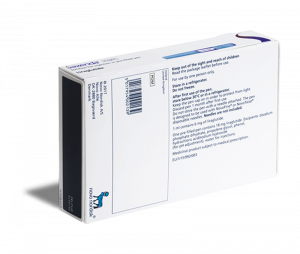
Πριν σκεφτείτε να αγοράσετε το Saxenda online στη Δανία, διαβάστε παρακάτω. Οι υπέρβαροι ή παχύσαρκοι ενήλικες μπορούν να ελέγξουν το βάρος τους με το ενέσιμο διάλυμα Saxenda, μια εξατομικευμένη δίαιτα και άσκηση. Το φάρμακο διατίθεται μόνο με ιατρική συνταγή και είναι δωρεάν. Στο σετ περιλαμβάνονται τρεις εγχυτήρες, ο καθένας από τους οποίους περιέχει 3 ml του σκευάσματος.
Η λιραγλουτίδη είναι το δραστικό συστατικό του φαρμάκου. Μιμείται την ανθρώπινη ορμόνη GLP-1, η οποία απελευθερώνεται στο έντερο μετά από ένα γεύμα. Έχει επίδραση στους υποδοχείς στον εγκέφαλο που ρυθμίζουν την όρεξη, συνδεόμενο με τον υποδοχέα GLP-1 και ενεργοποιώντας τον, γεγονός που μειώνει το αίσθημα της πείνας και προάγει τον κορεσμό. Ο ασθενής χάνει βάρος ως αποτέλεσμα της μειωμένης κατανάλωσης τροφής. Είναι σημαντικό να θυμάστε ότι η αγορά του Saxenda online στη Δανία προκαλεί μείωση του βάρους, ιδίως όσον αφορά την απώλεια λίπους, καθώς το σπλαχνικό λίπος μειώνεται περισσότερο από το υποδόριο λίπος.
Οι ασθενείς συχνά θεωρούν το σκεύασμα ως συνταγογραφούμενο φάρμακο για τη μείωση του βάρους. Εκτός του ότι έχει αντίκτυπο στην πείνα, επηρεάζει τα επίπεδα γλυκόζης διεγείροντας την έκκριση ινσουλίνης και αναστέλλοντας την έκκριση γλυκαγόνης. Ως αποτέλεσμα, τόσο με άδειο στομάχι όσο και μετά το γεύμα, η συγκέντρωση της γλυκόζης στο αίμα του ασθενούς’μειώνεται. Σε σύγκριση με το εικονικό φάρμακο, το δραστικό συστατικό δεν είχε καμία επίδραση στην ενεργειακή δαπάνη.
6 mg λιραγλουτίδης περιλαμβάνονται σε 1 ml ενέσιμου διαλύματος Saxenda.
Άλλες χημικές ουσίες περιλαμβάνουν προπυλενογλυκόλη, φαινόλη, υδροχλωρικό οξύ, υδροξείδιο του νατρίου για τη διόρθωση του pH και νερό για έγχυση. Το διυδρικό φωσφορικό νάτριο είναι ένα άλλο συστατικό.
Οδηγίες χρήσης
Η χρήση του διαλύματος Saxenda θα πρέπει να συνδυάζεται με δίαιτα μειωμένων θερμίδων και αυξημένη σωματική δραστηριότητα. Το φάρμακο χρησιμοποιείται για τη διαχείριση του σωματικού βάρους σε άτομα των οποίων η διάγνωση βασίζεται στον ΔΜΣ:
- παχύσαρκοι (ΔΜΣ μεγαλύτερος ή ίσος με 30)παχυσαρκία (ΔΜΣ μεγαλύτερος ή ίσος με 30),
- ή
- υπέρβαροι (ΔΜΣ μεταξύ 27 και 30)με τουλάχιστον 1 πάθηση που συνδέεται με το υπερβολικό σωματικό βάρος, όπως υπέρταση, αποφρακτική άπνοια ύπνου, δυσλιπιδαιμία ή προβλήματα μεταβολισμού των υδατανθράκων (διαβήτης τύπου 2, προδιαβήτης).
Μετά από 12 εβδομάδες λήψης ημερήσιας δόσης 3 mg του φαρμάκου, η θεραπεία θα πρέπει να διακοπεί εάν ο ασθενής δεν έχει χάσει τουλάχιστον το 5% του αρχικού του βάρους.
Λόγοι για να μην χρησιμοποιήσετε αυτό το φάρμακο
Εάν είναι γνωστό ότι ένας ασθενής είναι υπερευαίσθητος στη λιραγλουτίδη ή σε οποιαδήποτε από τις ουσίες που περιέχονται στο σκεύασμα, το ενέσιμο διάλυμα Saxenda δεν πρέπει να χρησιμοποιείται για τη θεραπεία της παχυσαρκίας ή του υπέρβαρου.
Το φάρμακο δεν πρέπει να χορηγείται σε ασθενείς άνω των 75 ετών, σε ασθενείς που υποβάλλονται σε θεραπεία με άλλα φάρμακα για τον έλεγχο του σωματικού βάρους ή με φάρμακα που μπορεί να προκαλέσουν αύξηση του σωματικού βάρους, σε ασθενείς με δευτεροπαθή παχυσαρκία που προκαλείται από ενδοκρινικές ή διαιτητικές διαταραχές και σε ασθενείς με σοβαρή ηπατική ή νεφρική δυσλειτουργία λόγω έλλειψης δεδομένων σχετικά με την ασφάλεια και την αποτελεσματικότητα.
Η θεραπεία δεν ενδείκνυται για ήπια έως μέτρια νόσο.
Δοσολογία φαρμάκου
Το φάρμακο προορίζεται για χορήγηση σε ενήλικες ασθενείς. Λόγω του τρόπου παρασκευής του, χορηγείται ως ένεση κάτω από το δέρμα του βραχίονα, του μηρού ή της κοιλιάς (κοιλιακό περίβλημα). Αν και συνιστάται η λήψη του φαρμάκου σε συγκεκριμένη ώρα, ο τόπος και ο χρόνος χορήγησης μπορούν να αλλάξουν χωρίς να μεταβληθεί η δοσολογία.
Η δοσολογία του Saxenda θα πρέπει να ξεκινά με μια δόση 0,6 mg που λαμβάνεται μία φορά την ημέρα. Στόχος αυτής της διαδικασίας είναι να βελτιωθεί η ανοχή του οργανισμού στο φάρμακο. Στη συνέχεια, σε διαστήματα τουλάχιστον μίας εβδομάδας, η δόση αυξάνεται σταδιακά κατά 0,6 mg του φαρμάκου κάθε ημέρα.
Μέχρι τη μέγιστη ημερήσια δόση των 3 mg, η αύξηση της δόσης θα πρέπει να διατηρείται. Υψηλότερες δόσεις δεν συνιστώνται. Είναι σημαντικό να παρακολουθείται η πρόοδος του ασθενούς και η ανταπόκριση στη θεραπεία όταν αυξάνεται η ημερήσια δόση. Θα πρέπει να εξετάζεται εάν η θεραπεία θα πρέπει να συνεχιστεί και να διακοπεί εάν, δύο εβδομάδες μετά την αύξηση της δόσης, είναι σαφές ότι το προϊόν δεν είναι καλά ανεκτό από τον ασθενή.
Μειώστε τη δόση των ταυτόχρονων φαρμάκων με βάση την ινσουλίνη ή των φαρμάκων που αυξάνουν την ινσουλίνη, όπως τα παράγωγα σουλφονυλουρίας, πριν αγοράσετε το Saxenda χωρίς ιατρική συνταγή, προκειμένου να μειώσετε τον κίνδυνο υπογλυκαιμίας. Λάβετε υπόψη ότι δεν συνιστάται η χρήση του φαρμάκου με άλλο αγωνιστή GLP-1. Η αποτελεσματικότητα και η ασφάλεια του σκευάσματος δεν έχουν αξιολογηθεί σε ασθενείς με υπογλυκαιμία. ηλικίας κάτω των 18 ετών.
Πιθανές αρνητικές επιπτώσεις
Οι ανεπιθύμητες ενέργειες του Saxenda έχουν ταξινομηθεί σε τέσσερις κατηγορίες ανάλογα με τη συχνότητα εμφάνισής τους: εξαιρετικά συχνές, συχνές, ασυνήθεις και σπάνιες. Το γαστρεντερικό σύστημα μπορεί να εμφανίσει συμπτώματα όπως :
- ναυτία
- διάρροια
- εμετός
- δυσκοιλιότητα
Από την άλλη πλευρά, αναφέρονται τακτικά οι ακόλουθες παρενέργειες:
- υπογλυκαιμία,
- ζάλη,
- αϋπνία,
- διαταραχές της γεύσης,
- στοματική λάσπη,
- γαστρίτιδα,
- δυσπεψία,
- γαστρεντερική παλινδρόμηση,
- κοιλιακό άλγος
- φούσκωμα του στομάχου,
- υπερβολικά γαστρεντερικά αέρια,
- ρέψιμο,
- στο σημείο της ένεσης, τοπικές αντιδράσεις,
- χολολιθίαση,
- υψηλότερες συγκεντρώσεις αμυλάσης και λιπάσης
- κούραση,
- ασθένεια.
- Οι περιστασιακές παρενέργειες της θεραπείας σε άτομα περιλαμβάνουν:
- ταχυκαρδία,
- αφυδάτωση,
- παγκρεατίτιδα,
- χολοκυστίτιδα,
- κακουχία,
- κνίδωση
Από την άλλη πλευρά, όσοι εμφάνισαν σπάνιες παρενέργειες μίλησαν για αλλεργικές αντιδράσεις, νεφρική δυσλειτουργία και αιφνίδια νεφρική ανεπάρκεια.
Προφυλάξεις που πρέπει να λαμβάνονται
Ορισμένες συνοδές ιατρικές καταστάσεις αντενδείκνυαν τη χρήση των ενέσεων Saxenda και ενδέχεται να απαιτείται ιδιαίτερη προσοχή κατά τη χρήση τους.
Είναι σημαντικό να θυμάστε ότι το φάρμακο δεν μπορεί να αντικαταστήσει την ινσουλίνη στους διαβητικούς ασθενείς. Ο συνδυασμός της λιραγλουτίδης με παράγωγα σουλφονυλουρίας ή ινσουλίνη αυξάνει τον κίνδυνο υπογλυκαιμίας σε διαβητικούς ασθενείς τύπου ΙΙ. Ο κίνδυνος αυτός μπορεί να μειωθεί με τη μείωση της δόσης της ινσουλίνης ή του παραγώγου σουλφονυλουρίας. Ωστόσο, θα πρέπει να υπενθυμίζεται ότι σε ινσουλινοεξαρτώμενους διαβητικούς, η απότομη μείωση ή διακοπή της δόσης της ινσουλίνης μπορεί να οδηγήσει σε διαβητική κετοξέωση.

Η αγορά Saxenda χωρίς συνταγή δεν συνιστάται για τις ακόλουθες κατηγορίες ασθενών λόγω ανεπαρκούς εμπειρίας με τη θεραπεία ή έλλειψης στοιχείων που να αποδεικνύουν ότι η χρήση του φαρμάκου για τη διαχείριση του βάρους είναι ασφαλής και αποτελεσματική:
- Άτομα ηλικίας άνω των 75 ετών,
- άτομα που πάσχουν από συμφορητική καρδιακή ανεπάρκεια κατηγορίας IV (σύμφωνα με την ταξινόμηση NYHA),
- άτομα που πάσχουν από σοβαρή ηπατική ή νεφρική ανεπάρκεια,
- άτομα που πάσχουν από δευτεροπαθή παχυσαρκία ως αποτέλεσμα ενδοκρινικών ή διαιτητικών προβλημάτων,
- άτομα που λαμβάνουν άλλα φάρμακα για τον έλεγχο του βάρους,
- όσοι λαμβάνουν φάρμακα που ενδέχεται να προκαλέσουν αύξηση του σωματικού βάρους,
- άτομα που πάσχουν από διαβητική γαστροπάρεση ή φλεγμονώδη δυσλειτουργία του εντέρου.
Κατά τη χρήση της λιραγλουτίδης, ένας ασθενής με φλεγμονώδη νόσο του εντέρου ή διαβητική γαστροπάρεση μπορεί να εμφανίσει προσωρινές γαστρεντερικές παρενέργειες, όπως ναυτία, έμετο και διάρροια.
Θα πρέπει να δίνεται προσοχή κατά τη χρήση του σκευάσματος για θεραπευτικούς σκοπούς:
- σε ασθενείς με ήπια έως μέτρια ηπατική δυσλειτουργία,
- σε ασθενείς με θυρεοειδοπάθεια.
Σύμφωνα με τις τρέχουσες επιστημονικές έρευνες, τα άτομα που έπαιρναν λιραγλουτίδη είχαν υψηλότερο κίνδυνο εμφάνισης ορισμένων ασθενειών από εκείνους που έπαιρναν εικονικό φάρμακο. Αυτές περιλαμβάνουν χολολιθίαση, χολοκυστίτιδα και αυξημένο καρδιακό ρυθμό (που εκδηλώνεται με αίσθημα παλμών και αίσθημα γρήγορου καρδιακού παλμού σε κατάσταση ηρεμίας, μεταξύ άλλων συμπτωμάτων). Οι ασθενείς θα πρέπει να ενημερώνονται για τα σημάδια αυτών των καταστάσεων. Καθ’ όλη τη διάρκεια της θεραπείας, ο καρδιακός ρυθμός θα πρέπει να παρακολουθείται τακτικά. Το φάρμακο θα πρέπει να διακόπτεται εάν η αύξηση του καρδιακού ρυθμού ηρεμίας είναι επίμονη και κλινικά σημαντική.
Το φάρμακο θα πρέπει να διακόπτεται εάν ο ασθενής αναπτύξει παγκρεατίτιδα κατά τη διάρκεια της θεραπείας. Η θεραπεία με λιραγλουτίδη δεν θα πρέπει να συνεχιστεί. μόλις τεθεί η διάγνωση.
Οι ασθενείς θα πρέπει να διατηρούν επαρκή ενυδάτωση κατά τη διάρκεια της θεραπείας και να είναι σε εγρήγορση για τις γαστρεντερικές παρενέργειες που θα μπορούσαν να οδηγήσουν σε υπερβολική απώλεια υγρών. Αντικειμενικά και υποκειμενικά σημεία αφυδάτωσης έχουν εμφανιστεί σε ασθενείς που λαμβάνουν αγωνιστές των υποδοχέων GLP-1. Η νεφρική ανεπάρκεια και η οξεία νεφρική ανεπάρκεια θα μπορούσαν να είναι ακόμη και μεταξύ αυτών.
Σε γενικές γραμμές, το φάρμακο έχει μικρή επίδραση στην ικανότητα του ασθενούς’να κινείται ελεύθερα και συνεπώς να οδηγεί. Ωστόσο, συνιστάται να οδηγείτε ή να χρησιμοποιείτε μηχανήματα με προσοχή εάν εμφανιστεί ζάλη μετά τη θεραπεία. Η ζάλη εμφανίζεται συχνότερα κατά τη διάρκεια των τριών πρώτων μηνών της θεραπείας.
Κύηση και saxenda
Το Saxenda δεν πρέπει να χρησιμοποιείται από έγκυες γυναίκες. Προς το παρόν δεν υπάρχουν επαρκείς πληροφορίες σχετικά με την ασφάλεια της θεραπείας κατά τη διάρκεια της εγκυμοσύνης. Επιπλέον, τα άτομα που προσπαθούν να μείνουν έγκυες δεν πρέπει να χρησιμοποιούν το φάρμακο.
Αγοράστε το Saxenda online στη Δανία ενώ θηλάζετε
Δεν συνιστάται η χρήση του φαρμάκου κατά τη διάρκεια του θηλασμού. Η ικανότητα της λιραγλουτίδης να περάσει στο μητρικό γάλα δεν έχει ακόμη τεκμηριωθεί, επομένως δεν είναι γνωστό εάν είναι ασφαλές να χορηγηθεί το φάρμακο σε ένα βρέφος που θηλάζει.
Αλληλεπιδράσεις με άλλα φάρμακα
Οι αλληλεπιδράσεις του διαλύματος Saxenda με άλλα φάρμακα δεν έχουν ακόμη μελετηθεί. Το ενδεχόμενο κλινικά σημαντικών αλληλεπιδράσεων με ορισμένα φάρμακα δεν μπορεί να αποκλειστεί πλήρως. Φάρμακα με περιορισμένο θεραπευτικό δείκτη ή χαμηλή διαλυτότητα περιλαμβάνονται σε αυτά τα σκευάσματα. Η λιραγλουτίδη θα πρέπει να χρησιμοποιείται με προσοχή εάν λαμβάνετε επίσης βαρφαρίνη ή άλλα κουμαρινικά παράγωγα και θα πρέπει να ελέγχετε συχνότερα το INR σας.
Έχει επίσης αποδειχθεί ότι η λιραγλουτίδη και άλλα σκευάσματα που αλληλεπιδρούν με το κυτόχρωμα P450 έχουν πολύ χαμηλή πιθανότητα φαρμακοκινητικής αλληλεπίδρασης in vitro (CYP 450). Έχει επίσης παρατηρηθεί η χαμηλή συγγένεια της λιραγλουτίδης για τις πρωτεΐνες του πλάσματος. Το Saxenda δεν απαιτεί προσαρμογή της δοσολογίας όταν συνδυάζεται με ατορβαστατίνη, διγοξίνη, λισινοπρίλη, παρακεταμόλη, γκριζεοφουλβίνη ή άλλα φάρμακα με υψηλή διαπερατότητα και χαμηλή διαλυτότητα. Πιστεύεται ότι το φάρμακο δεν πρέπει να επηρεάζει την αποτελεσματικότητα των αντισυλληπτικών.
Η λιραγλουτίδη επιβραδύνει οριακά τη γαστρική κένωση, αλλά μελέτες δεν έχουν δείξει ότι έχει ουσιαστικό αντίκτυπο στην ταχύτητα απορρόφησης άλλων φαρμάκων που λαμβάνονται από το στόμα ταυτόχρονα. Επομένως, δεν είναι απαραίτητο να αλλάξει η δοσολογία τους.
Αγοράστε το Saxenda : συνταγογράφηση σε απευθείας σύνδεση
Οι υπέρβαροι ή παχύσαρκοι ασθενείς μπορούν να χρησιμοποιήσουν με επιτυχία την υπηρεσία ηλεκτρονικής συνταγογράφησης. Το αποτέλεσμα αυτής της πρωτοποριακής ιατρικής διαβούλευσης εξ αποστάσεως μπορεί να είναι μια ηλεκτρονική συνταγή για την αγορά φαρμάκων.

Ο γιατρός θα εξετάζει προσεκτικά την εγκυρότητα της λήψης ενός συγκεκριμένου φαρμάκου πριν από την έκδοση της ηλεκτρονικής συνταγής και, εάν είναι αποδεκτή, θα το συνταγογραφεί. Κάθε φαρμακείο μπορεί να εκτελέσει με επιτυχία μια ηλεκτρονική συνταγή, αλλά δεν καταλήγουν όλες οι αλληλεπιδράσεις με την υπηρεσία ηλεκτρονικής συνταγογράφησης σε συνταγή.
Με τη βοήθεια της ηλεκτρονικής συνταγογράφησης, οι ασθενείς μπορούν να εξοικονομήσουν χρόνο και να λάβουν περίθαλψη χωρίς να χρειαστεί να βγουν από το σπίτι τους. Μια απομακρυσμένη διαδικτυακή διαβούλευση είναι μια εξαιρετική επιλογή για υπέρβαρα άτομα που συχνά ντρέπονται να επισκεφθούν το γιατρό.
Τι είναι η ηλεκτρονική συνταγή;
Ένα σύγχρονο έγγραφο που ονομάζεται “ηλεκτρονική συνταγογράφηση επιτρέπει την αγορά φαρμάκων όπως το Saxenda χωρίς συνταγή από οποιοδήποτε φαρμακείο. Οι ασθενείς μπορούν να προμηθεύονται φάρμακα εύκολα, συμπεριλαμβανομένης της αγοράς Saxenda online στη Δανία, δίνοντας απλώς στον φαρμακοποιό τον ειδικό αριθμό της ηλεκτρονικής συνταγής. Επιπλέον, ο ηλεκτρονικός λογαριασμός ασθενούς, στον οποίο έχουμε πρόσβαση, περιέχει ένα πλήρες ιστορικό των ηλεκτρονικών συνταγών που έχουν εκτελεστεί και των φαρμάκων που έχουν καταναλωθεί.
Συνιστάται να καλέσετε αμέσως τον γιατρό εάν ο ασθενής παρουσιάσει οποιεσδήποτε ανεπιθύμητες ενέργειες κατά τη διάρκεια της θεραπείας. Είναι σημαντικό να λαμβάνετε τα φάρμακα ακριβώς σύμφωνα με τις οδηγίες του γιατρού. Η ευημερία του ασθενούς’έρχεται πάντα πρώτη και η ακατάλληλη χρήση του φαρμάκου μπορεί να θέσει σε κίνδυνο την υγεία του ή ακόμη και τη ζωή του.
